First aid is a vital ability that everyone must discover, particularly if you're associated with sports, exercises, or even simply daily life where injuries can occur. Among the most efficient techniques for dealing with soft cells injuries is called RICE. In this detailed overview, we will dive deep right into what RICE is, exactly how it works, and why it's essential for any individual curious about first aid training.
What is RICE in First Aid? An Easy Guide to Dealing With Injuries
RICE represents Relax, Ice, Compression, and Altitude. It's an extensively approved first aid technique utilized primarily for treating soft cells injuries such as sprains and strains. The method focuses on minimizing discomfort and swelling while advertising recovery. Recognizing the elements of RICE can encourage people to act quickly in instance of an injury.
1. Rest: Why Is It Important?
Resting the hurt location is important for healing. When you experience an injury, your body needs time to heal itself. Remaining to use the damaged part can get worse the damages and lengthen recuperation time.
- How Long Needs to You Rest? The duration varies based upon the severity of the injury yet usually varies from 24 hr to a number of days. Signs You Need A lot more Rest: If you see boosted swelling or discomfort throughout activities, it may be time to take a break.
2. Ice: The Air Conditioning Effect
Applying ice is a popular technique that helps in reducing swelling and numb the pain associated with injuries.
- How to Apply Ice Properly: Use a towel or towel as an obstacle between ice and skin to avoid frostbite. Apply ice for regarding 15-20 minutes every hour throughout the very first 48 hours post-injury. The Science Behind It: Ice restricts blood vessels (vasoconstriction), which reduces blood flow to the afflicted location and minimizes swelling.
3. Compression: Support and Stability
Compression entails wrapping the injured location with a stretchable bandage to reduce swelling and offer support.
- How Tight Must It Be? The plaster needs to be tight yet not so limited that it cuts off flow. You must have the ability to wiggle your toes or fingers comfortably. When to Eliminate It: If you notice increased discomfort or tingling feelings, loosen or get rid of the bandage immediately.
4. Elevation: Keeping It Up
Elevating the injured area above heart level helps reduce swelling by allowing fluids to recede from the injury site.
- Best Practices for Elevation: Usage cushions or paddings when resting or resting to keep your injury raised comfortably. Duration of Altitude: Try boosting your injury whenever you're sitting or resting, specifically throughout the initial phases after enduring an injury.
The Importance of Immediate Treatment in Injuries
Injuries require timely focus; this is where first aid knowledge becomes invaluable. Understanding methods such as RICE can make a significant difference in healing times and results.
5. Recognizing When to Utilize RICE
Knowing when to use RICE can substantially influence healing rates:
- Common Scenarios for RICE Application:
- Sprained ankles Strains Bruises Minor fractures
Being aware of these scenarios enables you to act quickly during emergencies.
Integrating RICE with DRSABCD Protocol
Understanding exactly how RICE fits into more comprehensive first aid practices like DRSABCD can boost your action efficiency:
6. What Does DRSABCD Stand For?
DRSABCD is an acronym that stands for:
Danger: Check for any potential hazards. Response: Analyze if the individual is responsive. Send Help: Call emergency situation services. Airway: Ensure their airway is clear. Breathing: Examine if they are breathing normally. CPR: Provide CPR if necessary. Defibrillation: Make use of an AED if available.These steps ensure a complete analysis before using specific treatments like RICE for soft tissue injuries.
Comprehensive First Aid Training Courses Available
To effectively implement methods like RICE and DRSABCD, consider enlisting in formal training programs such as:
7. First Aid Course Near Me
Search online for neighborhood alternatives; many organizations provide certified first aid training courses that cover vital skills including CPR training, mental health first aid, and much more specific subjects like hand-operated handling training.
8. Online First Aid Courses
For those incapable to participate in physical classes, various on the internet systems provide training courses that cause accreditations like HLTAID011 Provide First Aid and HLTAID012 Supply Advanced First Aid.
Mental Health First Aid Training
While typical first aid concentrates on physical injuries, it's also essential to address psychological health dilemmas:
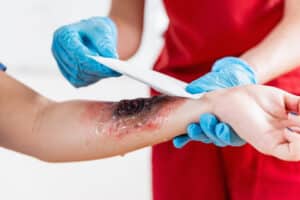
9. Why Mental Health Issues in First Aid?
Just as crucial as finding out just how to deal with physical conditions is recognizing just how to respond when someone experiences a psychological health and wellness crisis-- this includes understanding when expert aid is needed together with fundamental supportive activities one can take themselves.
FAQs about RICE in First Aid
FAQ 1: For how long should I use ice?
For most injuries, using ice for concerning 15-20 minutes every hour throughout the very first two days is advised unless advised otherwise by a medical care provider.
FAQ 2: Can I make use of heat as opposed to ice?
Heat must typically be prevented within the very first 48 hours after an injury because of its prospective worsening of swelling; nonetheless, warm might soothe chronic problems later on when intense signs have actually resolved.
FAQ 3: Suppose my pain worsens in spite of following RICE?
If pain continues or worsens after carrying out RICE techniques over numerous days without enhancement-- seeking advice from a healthcare specialist ends up being necessary because there might be underlying concerns calling for clinical intervention.
FAQ 4: Exist any kind of dangers related to compression?
Yes! Incorrectly used compression can lead not only discomfort however significant complications such as area disorder; thus always keep track of blood circulation carefully while using flexible wraps!
FAQ 5: Exists any type of details altitude position I need to adopt?
As a lot greater than heart level as possible while making sure convenience stays paramount! Utilizing cushions tactically works marvels below too!
FAQ 6: Just how usually should I repeat each action of R.I.C.E?
Repeat all four parts routinely-- every couple of hours during preliminary treatment stage till symptoms start boosting whereupon frequency may decrease accordingly!
Conclusion
In summary, recognizing "What is RICE in First Aid? A Straightforward Guide to Dealing with Injuries" outfits individuals with essential understanding necessary for effective administration of soft cells injuries through timely application techniques entailing remainder, ice compression & & altitude! By incorporating these fundamentals along with various other essential methods like DRSABCD-- and considering extra avenues via formal training-- any person excited enough can change themselves right into experienced responders all set tackle emergencies head-on! So why wait? Sign up today first aid courses near me free right into among those important programs nearby!